What is GULABI?
GULABI, a name that echoes throughout the walled city of Jaipur. GULABI is a name that represents the heritage of Jaipur, but today, it signifies much more.
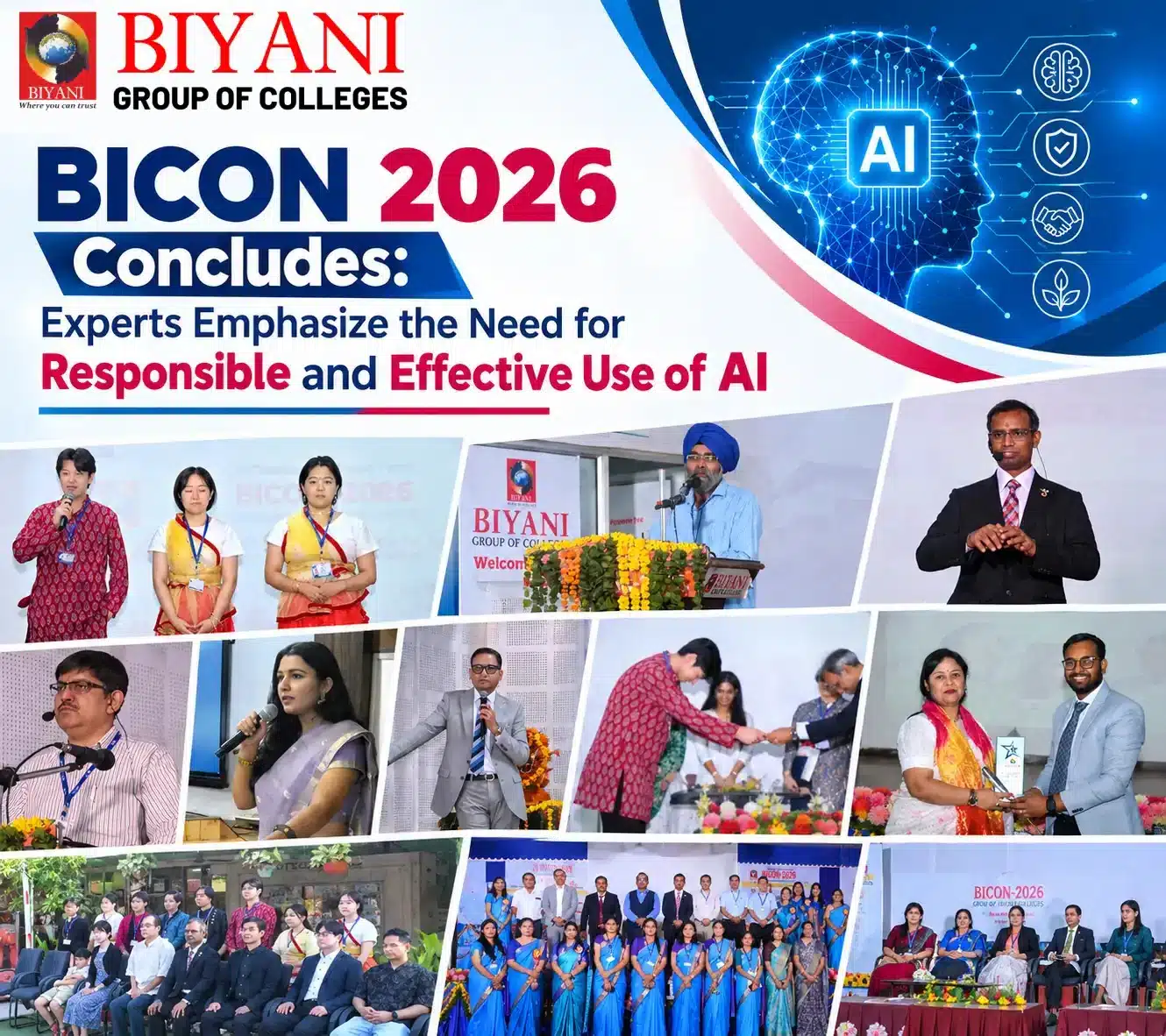
GULABI, Global Unity Through Learning Art with Biyani, was a collaboration between Japan and Biyani group of colleges in association with RIICO.
Eight students, four universities, ten days of cultural exchange, and one shared experience came together to create a memorable journey. September 13th, 2026, to September 24th, 2026, ten days with young minds in a far land, brought together through culture, learning, and passion.
Participating Universities:-
- Ishikawa Prefectural University
- Kwansei Gakuin University
- JAIST, Japan Advance Institute of Science and Technology
- Saitama University
More Than the Exchange Programme
GULABI wasn’t just about travelling from one country to another; it was also about sharing perspectives.
It was about seeing India through their own eyes, experiencing a perspective that cannot be gained through the internet.
Exploring Jaipur, communicating with people, gaining industrial exposure, experiencing homestays with Indian families, practising yoga and meditation, experiencing the desert and marble slurry industries, participating in sports, and attending the Biyani International Conference were some of the highlights of the ten days. These experiences showed that it was not just an exchange programme but a strong initiative towards strengthening the Indo-Japanese connection.
Jaipur: Through the Eyes of Japanese Students
Jaipur’s diversity and art made it a unique destination for cultural exchange. For students visiting from Japan, the experience involved discovering different aspects of Indian culture — from food and traditions to art, hospitality, and social interactions. Japanese students saw Jaipur not simply as a place to visit but as a place to observe and experience the kindness and warmth of its people.
In Their Words, They Called It:
“A city where history lives.”
As they visited some of the city’s most famous and recognisable places, such as Jal Mahal, Hawa Mahal, City Palace, as well as the markets and streets of Jaipur, every glimpse from every corner made them realise how deeply India preserves its culture and art. Every temple they visited made them think about how traditions and culture are passed down from one generation to another. They Witnessed monuments, Stores, people, art, food and stories and realised that India embraces modernity while continuing to preserve and celebrate its rich culture and traditions.
“A city with food and flavours"
Beyond Jaipur’s palaces and forts, they also discovered the authenticity of its food and flavours. Dal Baati, Churma, Khichdi, and Dosa became some of their favourite foods which they will happily eat again. They fell in love with the flavours present in Indian cuisine. For them, food was not just a meal but a way of understanding flavours, traditions, and hospitality.
“A Glimpse Beyond Tourist Trails: Yoga and Sports”
During their stay, they had the opportunity to participate in different activities, including yoga and sports. They played cricket and badminton and also practised yoga, which they enjoyed as a way to experience an important part of Indian culture.
Their experience went beyond simply visiting places. By participating in everyday activities, they got an opportunity to experience India from a more personal perspective.
They shared that they found the connection between yoga, physical activity and mental well- being particularly interesting. They also expressed an interest in introducing yoga into physical education in Japan. Through their experience of playing badminton and cricket with Indian students, they appreciated the encouragement, enthusiasm and happiness the players had while playing. They were very supportive and encouraging throughout, and the crowd and the teams were cheering for them. The spirit of the game was very lively, and the Japanese students really enjoyed playing games with Indian students.
At the end of their speech, they shared how they will be taking all these memories and learnings back to Japan with them so they could look on them throughout their lives.
Author
Ms. Kashika Samaria
Student
Biyani Group Of Colleges, Jaipur