
Introduction
For many years, the standard prenatal care schedule involved around a dozen or more clinic visits from conception to delivery. Recently, experts have begun re-evaluating this approach. The American College of Obstetricians and Gynecologists (ACOG) and several global studies now support a personalized, reduced-visit model for women with uncomplicated pregnancies.
The Concept of Personalized Prenatal Care
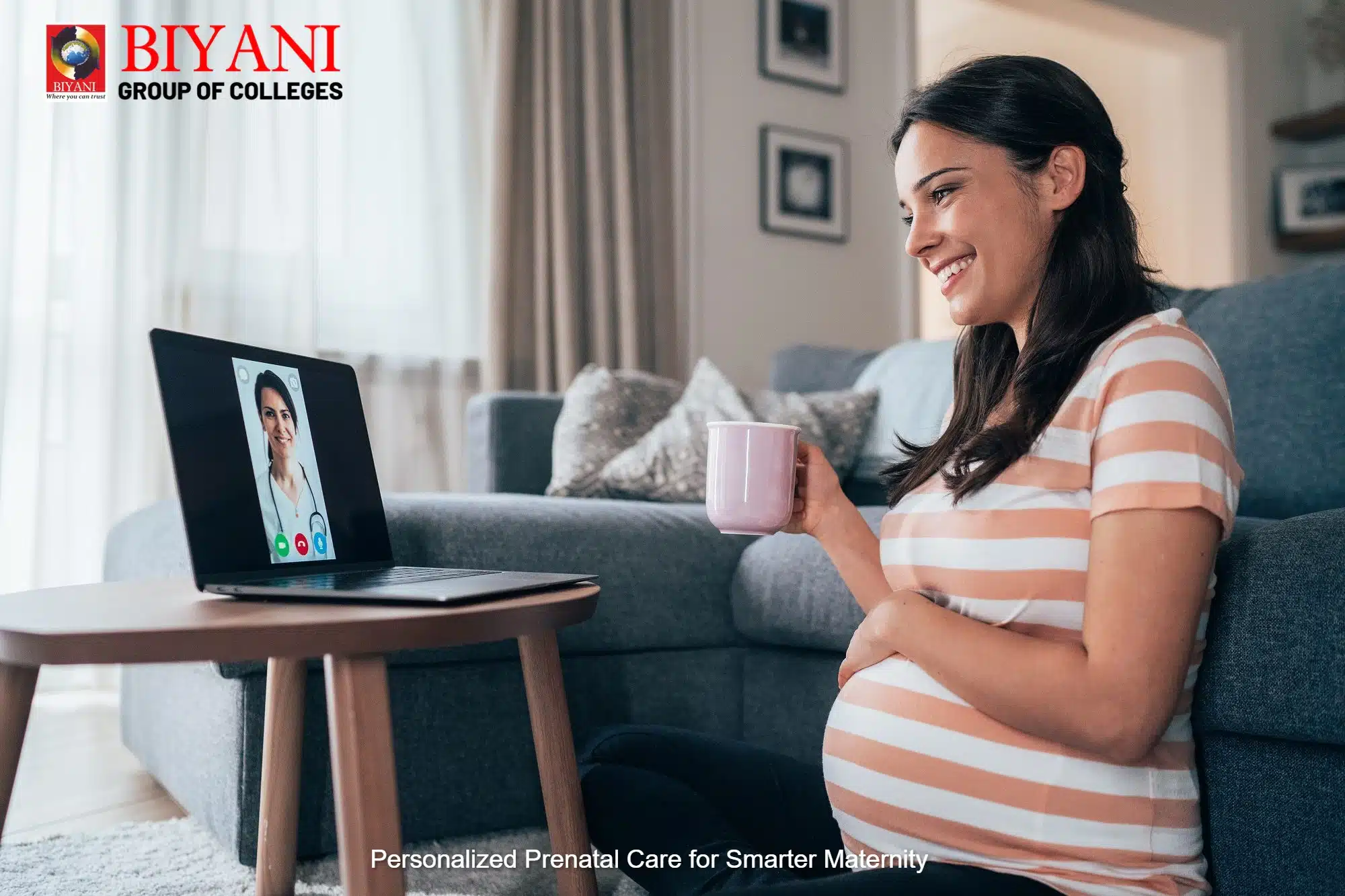
The idea is simple but powerful — quality over quantity. Instead of fixed appointments for every mother, the frequency of visits is adjusted according to the woman’s health condition, risk factors, and personal needs. This flexible schedule allows expectant mothers to save time, reduce travel, and still receive the same level of attention through planned virtual check-ins and remote monitoring tools.
How the Reduced-Visit Model Works
In this model, healthy women may combine fewer in-person consultations with telehealth sessions, self-monitoring of blood pressure, and guidance through digital platforms. Women who need extra care continue with closer supervision and additional assessments. The approach ensures that every mother gets the right level of care at the right time.
Role of Nurses and Midwives in Smart Maternity Care
For nurses and midwives, this shift brings a new dimension to maternity care. It emphasizes patient education, digital communication skills, and individualized planning. Nursing educators can introduce these concepts in classroom simulations to help students understand the balance between technology and compassionate care.
Ensuring Safety and Vigilance
A cautious approach is essential. Reduced visits should never mean reduced vigilance. Proper screening, clear communication, and prompt referral remain critical to ensuring safety. When thoughtfully implemented, personalized prenatal care not only supports healthier pregnancies but also empowers women — turning maternity services into a more inclusive, efficient, and respectful experience for all.
Blog By:
MS. Remya Renjan
(Associate Professor)
Department of Nursing
Biyani Institute of Science and Management(B.Sc.Nursing)