

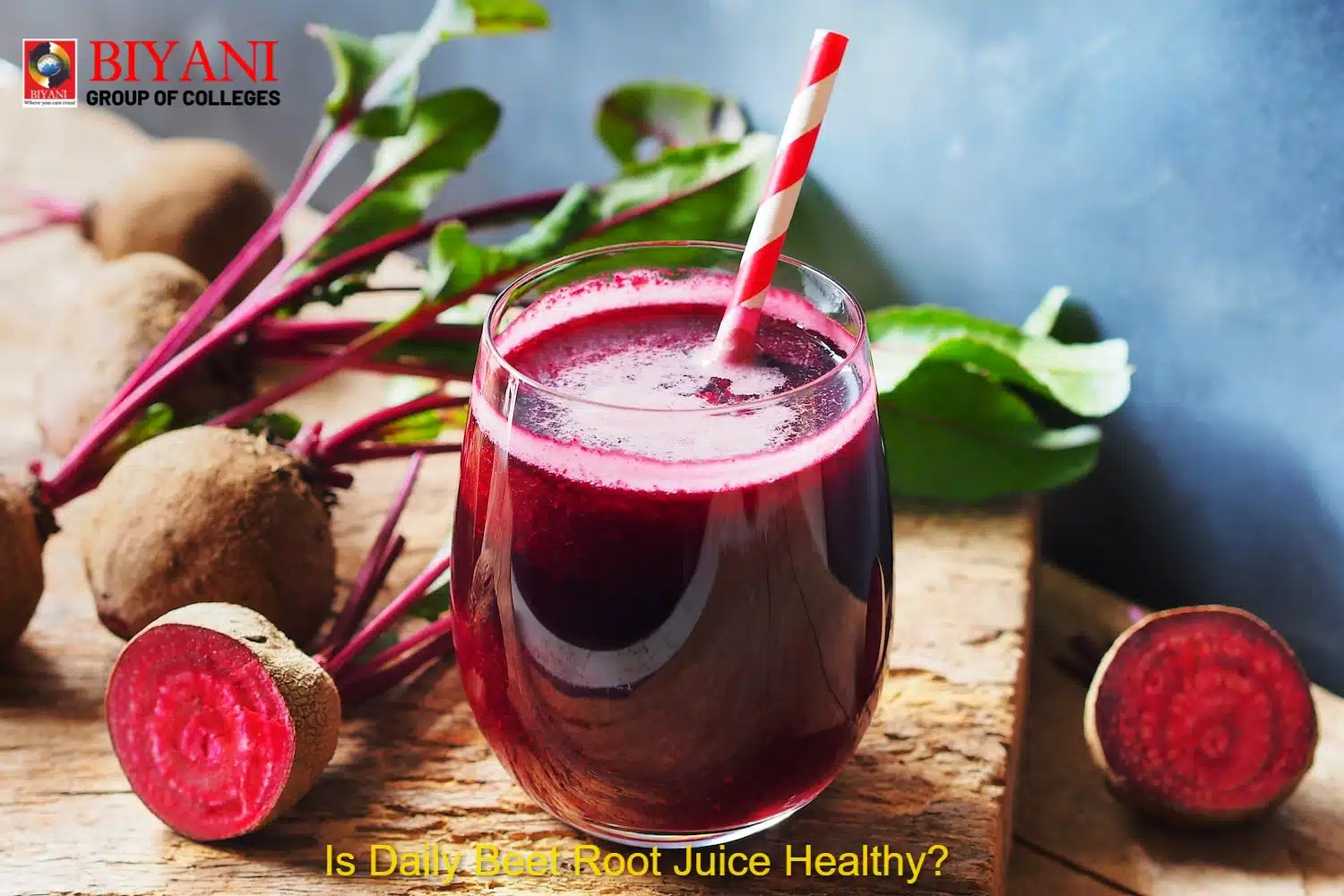
Beetroot juice has gained significant attention in the field of health and wellness over the past few years. Its popularity spans across athletes, fitness enthusiasts, and individuals interested in holistic health. This deep red beverage is often described as a “super drink” believed to enhance physical endurance, improve blood circulation, support detoxification, and even benefit skin health.
However, an important question remains: Does regular consumption of beetroot juice truly provide net health benefits, or can excessive intake lead to negative consequences?
Like most health foods, beetroot juice offers several physiological advantages when consumed in appropriate amounts. Let’s explore its scientifically supported benefits, potential side effects, and the ideal way to include it in your daily diet.
What Makes Beetroot Juice So Healthy?
Beetroot is a nutritional powerhouse rich in essential nutrients such as folate, potassium, iron, vitamin C, and magnesium. What makes it unique is its high content of dietary nitrates, which play a key role in improving blood circulation.
When consumed, nitrates are converted into nitric oxide in the body. Nitric oxide helps relax and widen blood vessels, improving blood flow, reducing strain on the heart, and enhancing oxygen delivery to muscles and organs.
Beetroot also contains betalains — powerful antioxidants responsible for its deep red color. These compounds help reduce inflammation and protect cells from oxidative stress.
Because of this nutritional richness, beetroot juice is commonly associated with:
- Improved cardiovascular performance
- Reduced blood pressure
- Enhanced oxygen delivery to muscles
- Improved stamina and overall fitness
Due to its iron and folate content, beetroot juice may also benefit individuals with anemia or low hemoglobin levels. Additionally, it supports liver function and may aid natural detoxification processes.
Benefits of Drinking Beetroot Juice Daily
- Supports Heart Health and Blood Pressure Control
- Enhances Physical Endurance
Many athletes consume beetroot juice before workouts. Improved blood flow allows better oxygen supply to muscles, which may delay fatigue and enhance overall exercise performance.
- Reduces Fatigue
Many individuals report improved energy levels after including beetroot juice in their diet. This can be especially helpful for those experiencing weakness or post-illness fatigue.
- Supports Digestive and Liver Health
Beetroot juice may stimulate bile production and support liver activity. Its antioxidants assist in detoxification and promote efficient metabolic processes.
- Anti-Inflammatory and Antioxidant Properties
The betalains in beetroot help reduce inflammation and protect cells, potentially lowering the risk of certain chronic diseases over time.
One of the most researched benefits of beetroot juice is its ability to help regulate blood pressure. Studies suggest that regular intake may reduce both systolic and diastolic blood pressure, making it beneficial for individuals at risk of hypertension.
Are There Any Side Effects?
Despite its benefits, beetroot juice may not be suitable for everyone, especially when consumed excessively.
- Kidney Stone Risk
- Low Blood Pressure
- Beeturia
- Digestive Discomfort
Beetroot contains oxalates, which may increase the risk of kidney stones in susceptible individuals. Those with a history of kidney stones should consult a healthcare professional before regular consumption.
Since beetroot juice lowers blood pressure, individuals with hypotension may experience dizziness or weakness if consumed daily without moderation.
A harmless condition where urine or stool turns pink or red after consumption. This is temporary and not a cause for concern.
Excessive intake may cause bloating, stomach discomfort, or diarrhea in some individuals.
What Is the Right Amount?
The recommended daily intake is about 100–200 ml (half to one glass) of fresh beetroot juice. It may be consumed in the morning on an empty stomach or 30–60 minutes before exercise for optimal benefits.
To improve taste and reduce digestive discomfort, beetroot juice can be combined with:
- Carrot
- Apple
- Ginger
- Lemon
Freshly prepared juice is preferable to commercial versions that may contain added sugars and preservatives.
Whole Beetroot vs. Beetroot Juice
While juice provides concentrated nutrients, whole beetroot contains dietary fiber, which supports digestion, regulates blood sugar levels, and promotes satiety.
For a balanced diet, consider including:
- Cooked or roasted beetroot in salads, soups, or curries
- Small daily servings of beetroot juice for targeted benefits
Who Should Be Cautious?
- Individuals with a history of kidney stones
- People with low blood pressure
- Those with sensitive digestion
- Individuals taking antihypertensive medications
Consulting a healthcare professional before regular consumption is advisable in these cases.
Conclusion
Daily beetroot juice can provide significant health benefits when consumed in moderation. It supports heart health, improves stamina, enhances circulation, and promotes overall well-being. However, excessive intake may lead to digestive issues, low blood pressure, or kidney-related concerns in susceptible individuals.
The key lies in balance. Instead of viewing beetroot juice as a miracle solution, consider it a beneficial addition to a well-rounded diet that includes whole foods, regular exercise, and mindful nutrition habits.
Blog By:
Dr. Ritu Jangid
Assistant Professor,
Department of Science (Biotechnology)
Biyani Girls College,Jaipur