
Self-medication means when we are taking medicines without consulting a doctor or qualified healthcare professional. Many people use medicines based on old prescriptions, internet advice, advertisements, or suggestions from friends and family. While it may seem convenient, self-medication can be dangerous and sometimes life-threatening.
Understanding the safe and responsible use of medicines is an essential part of pharmacy education, which is why students often look for the best college for pharmacy to gain the knowledge and practical skills needed to promote rational drug use and protect public health.
What is Self-Medication
Self medication includes :
- When a person is taking antibiotic without prescription.
- Frequent use of painkillers just to get quick relief for a duration can be dangerous.
- Reusing old or expired medicines.
- When the quantity of dose is not fixed according to the person age and sex.
- If a person takes medicine with consulting a non professional person.
Common Reasons for Self-Medication
People often self-medicate because:
- They need quick relief.
- Peoples believe visiting doctor can be too expensive and time taking.
- Peoples can get medicines easily.
- Lack of awareness about side effects.
Major Dangers of Self-Medication
Self-medication is a very common practice, which can be influenced by friends, relatives, neighbors, among others, but when practicing self-medication, this act can make it possible to aggravate or delay the diagnosis of a disease that may later worsen, in addition to causing adverse reactions and even drug intoxication (OGA WA, et al., 2001). According to Malhotra et al, (2001), the risks of death related to polypharmacy are a major public health problem and a cause of hospital admissions. Among the negative problems related to medications are intrinsic factors, drug activity, therapeutic failures, non-adherence to treatments, or the manifestation of adverse events. In Brazil, there are no studies on drug-relate.
Health Risks of Self Medication
Self-medication is widespread practice now a days and being used world-wide, as given in figure data recorded. The self-medication theory is very popular among the people with addictions and professionals who treat them. However, there are individuals who strongly oppose this practice on addictions and believe the self-medication theory is an excuse for irresponsible behavior.
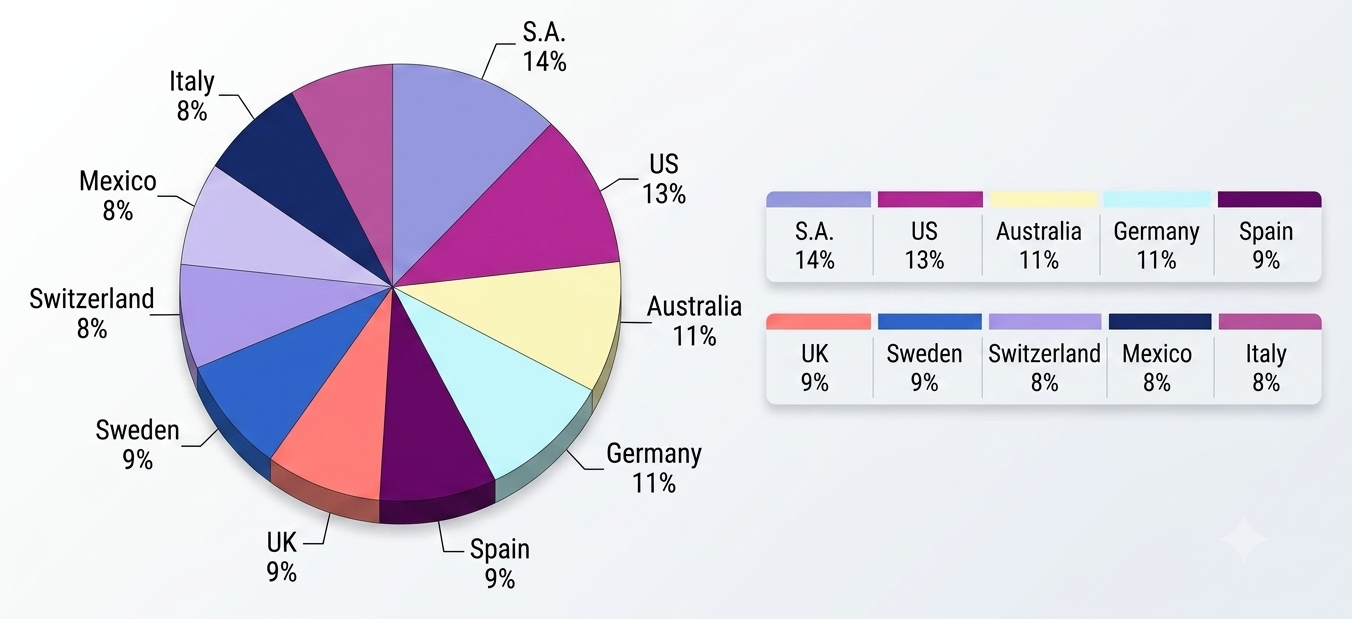
Many in the medical profession find it useful to transition people from substances and behaviors that they are addicted to and are causing the problems to appropriate prescription medications that generally target the underlying medical condition more effectively.
Depression, is an example, that can often be successfully treated with antidepressants and lifestyle has modifications such as exercise, potentially liberating, the individual from seeking emotional comfort from their mood symptoms in their addiction.
Drug Interactions and Side Effects
Medicines help us feel better and stay healthy. However, sometimes drug interactions can cause problems. Drug interactions refer to reactions that affect how a drug acts in the body, making a medicine work better, worse, or can cause side effects. There are three types of drug interactions:
- Drug–drug interaction: A reaction between two or more drugs which include both prescription and over-the-counter drugs.
- Drug–food interaction: A reaction between drug and a food, beverage, or dietary supplement is known as drug food interaction.
- Drug–condition interaction: A reaction that occurs while taking a drug and having a certain medical condition. For example, if you have high blood pressure, taking a nasal decongestant may high the risk of stroke or heart attack.
A drug interaction can also affect the drug activity levels or cause adverse effects. People having HIV should be aware of potential drug interactions to make sure their HIV medicines work safely and effectively.
The following steps can be taken to avoid drug interactions:
- Inform your health care provider about the prescription and non prescription medicines you are taking or planning to take. Also tell them about any vitamins, nutritional supplements, and herbal products you take usually.
- Also inform your health care provider about any other condition you may have, such as high blood pressure or diabetes.
- Before taking any medicine, ask your health care provider or pharmacist the following questions:
- What is the medicine used for?
- How should I take the medicine?
- While taking the medicine, which medicine should be avoided or certain foods or beverages.
- Shall I take this medicine safely with the other medicines that I am taking? Is there any possibility of drug interactions? What are the signs of drug interactions?
- In the case of a drug interaction, the things I need to take care or do during the drug interaction?
- Take medicines according to your pharmacist or health care provider instructions. Always make a habit of reading the information and directions that come with an medicine. Drug labels and its packaging inserts include important information about possible drug interactions.
Tips for Safe Use of Medicine
Ask your doctor, nurse, or pharmacist to inform you the basic facts about each medicine you take like-
- The name of the medicine.
- What is the active ingredient(s)?
- What is the medicine for?
- Amount of the medicine shall I take and time to take it (duration).
- What does it look like?
- When does it expire?
- Are there any side effects or special warnings?
- What should I do if I start having side effects?
- Can I take it if I am pregnant or breastfeeding?
- What other medicines which interact or foods should I avoid?
Your treatment may not produce the desired results if the medication is not used as directed. Taking too much or too little can make you very sick.
Use Medicines as Directed
- Make a habit of Reading the directions on the label and ask your healthcare provider the exact quantity of drug should be taken and when.
- Never skip taking your prescription medicine. Talk to your healthcare provider before you stop taking your medicines.
- Only take the suggested dose.
Avoid Common Problems
- Don’t share medicines.
- Don’t use medicine in the dark where you can’t see what you are taking.
- Always check the expiry date on your medicine. Which may not be safe or work after it has expired.
Seek advice from your healthcare provider or pharmacist for unused medicines. Find out if you should:
- It must flush down the toilet or sink.
- put it in a sealed plastic bag with coffee grounds or kitty litter and throw it in the trash.
- drop it off at a drug take-back program in your community.
Be sure to scratch off your name and personal information before you put empty pill bottles in the trash.
Make sure that children can’t get to medicines including patches that you put in the trash.
Frequently Asked Questions (FAQs)
Q: What is the self-medication theory?
A: Self-medication theory of addiction is based on the hypothesis that substance abuse is a form of self-medication. It assumes that alcohol and drug abuse is a mechanism for people to overcome the conditions of mental health conditions, including depression. The theory can also be applied to non-substance or behavioral addictions.
Q: Which doctor should I consult for knowing more about self-medication and its adverse effects?
A: A General Practitioner (GP) would clinically evaluate the symptoms and recommend the therapy based on symptoms. The GP or Pharmacist would be able to guide on the merits and demerits of self-medication.
Q: Why is self-medication harmful?
A: Self-medication is associated with many risks like incorrect diagnosis, adverse reactions, drug-drug interactions and concealing the primary underlying disease.
One of the causes for antibiotic resistance is the use of antibiotics without consulting the healthcare provider.
CONCLUSION
In summary, medication errors are an unfortunate part of the health care delivery system. Health care provider attitudes must change in the approach to prevention of these errors. Patient education is an important aspect of any program to prevent medication misadventures. Self-medication has the potential to improve healthcare by lowering drug prescription prices. Inappropriate Self-medication, on the other hand, might result in a false diagnosis, significant side effects, drug interactions, drug habits, and germ resistance.
Author
Ms. Kavita Bhatt
Assistant Professor,Department of Pharmacy
Biyani Institute Of Pharmaceutical Sciences