
Have you ever thought where the beautiful colours in clothing, paintings, and packaged food come from? Some colours are artificial, but many are natural. These are referred to as organic colours or natural colours. People have been getting colours from natural sources (plants and insects) for many years. Nature can safely use these colours. These days, using organic dyes is a contemporary and environmentally friendly way to use these naturally occurring colours.
People now understand that artificial colours can harm nature, so they are using natural colours again. But what are natural colours, and why are they important today? If you’re interested in eco-friendly science and sustainable practices, explore our B.Sc Courses.
Natural colours are important to us for several reasons: They are non-toxic, eco-friendly, healthier, use renewable resources, and help preserve traditional knowledge. Organic colours are recyclable and typically safe for people, unlike chemical-derived colours which may leave harmful residues.
Importance of Natural Colours
This is because many artificial colours contain chemicals that may harm the environment.
- Eco-friendly: Synthetic dyes are a major source of contamination in agriculture and fabric industries. Natural dyes break down easily and generate less chemical waste.
- Safe for Skin and Health: Naturally occurring colours usually have no harmful effects, making them suitable for cosmetics, natural products, and baby clothes.
- Lower Water Toxicity: Chemical dyes often contaminate water sources with harmful substances.
- Growing Demand for Green Products: Natural colours are increasingly popular in clothing and cosmetics industries due to rising eco-conscious consumer demand.
Sources of Organic Dyes
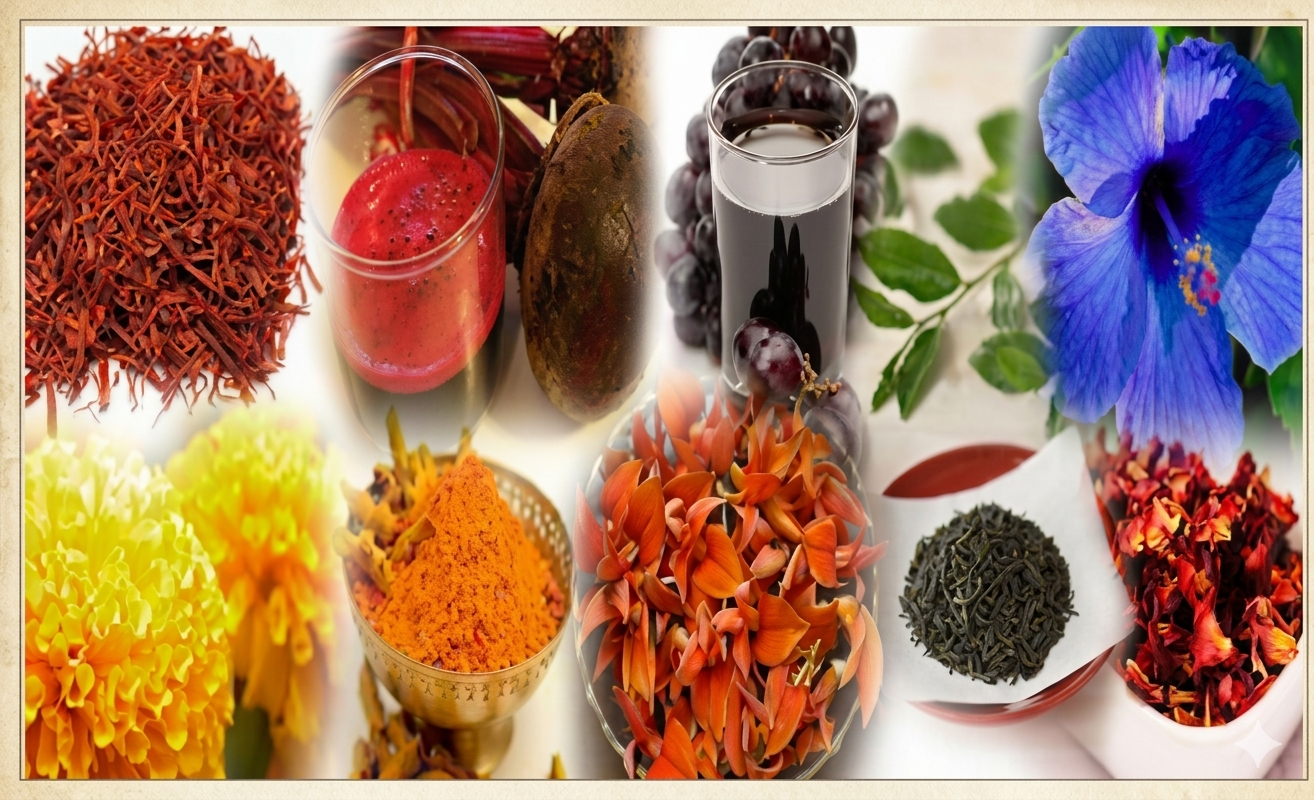
1. Plant-Based Dyes: Plants are the largest source:
- Blue – Indigo
- Red – Madder root, beet
- Yellow – Turmeric, marigold
- Brown – Walnut shells
- Green – Spinach extract
2. Animal-Based Dyes:
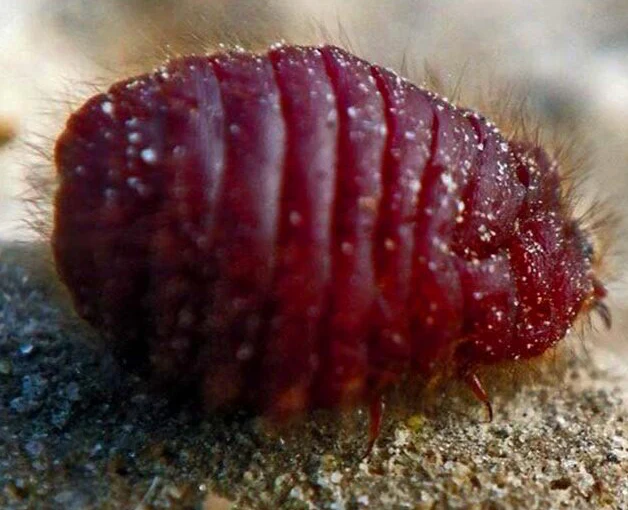
- Cochineal (deep red)
3. Microbial Dyes: Algae, bacteria, and fungi are modified to produce bright and consistent colours.
How They Work?
The colour of natural dyes is produced by chemical groups known as chromophores. Light interacts with these groups. They absorb some wavelengths and reflect others, and the reflected light is what we see as colour.
Uses of Natural Dyes
- Textiles
- Food colouring
- Cosmetics
- Paper and leather dyeing
- Biological stains
Challenges of Natural Colours
Natural colours are valuable, but they also have some limitations:
- Colours may fade quickly after washing or prolonged sunlight exposure.
- Limited shade range compared to synthetic dyes.
- Production can be more expensive.
- Requires large land area for cultivation of dye plants.
Conclusion
Natural dyes have been used since ancient times. Today, with increasing environmental awareness, they are becoming popular again. These colours are used in paintings, textiles, and beauty products, showing how we can use nature responsibly.
Frequently Asked Questions (FAQs)
Q.1. Why are organic colours important?
Ans: They are safer and environmentally friendly.
Q.2. What are the sources of natural colour?
Ans: Flowers, leaves, and fruits.
Author
Dr. Smita Sisodiya
Assistant Professor, Department Of Science
Biyani Girls College, Jaipur