
Introduction: The Need for Sustainability
On a global scale, sustainability is currently a requirement instead of a choice. Industrialization, urbanization, population increase, and misuse of natural resources have placed an enormous burden on ecosystems. For students studying in a college for BSc, especially in science and environmental disciplines, understanding sustainability is essential. Green practices offer practical solutions to minimize environmental harm and preserve the balance in the ecosystem over time. Using sustainable practices can help people create a sustainable future by making personal choices and adhering to organizational rules.
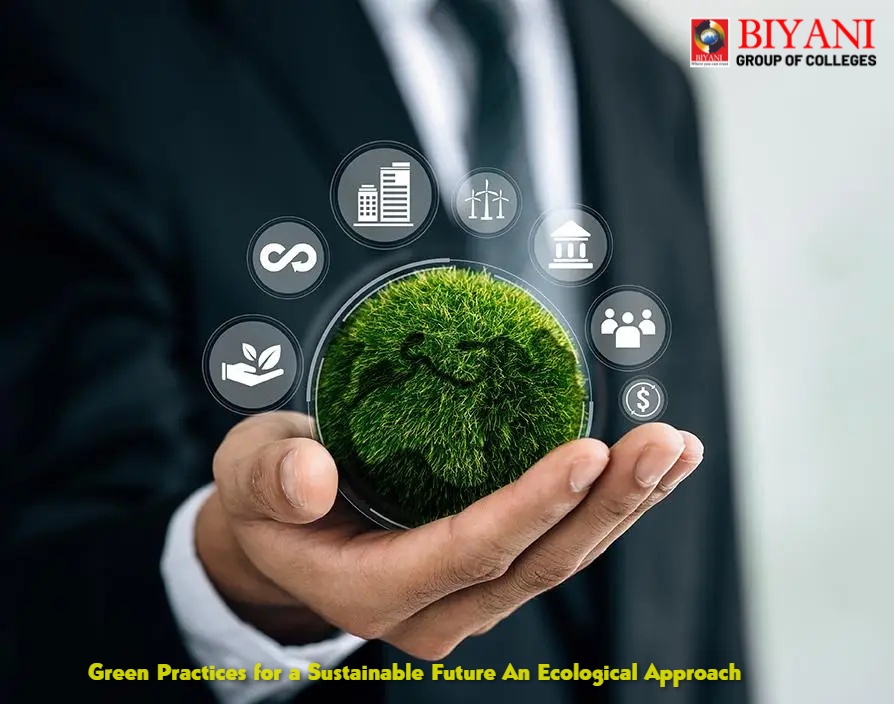
Understanding Green Practices
Green practices are actions taken to preserve the environment by reducing environmental impact and optimizing resource usage. These practices include reducing waste, decreasing pollution, increasing renewable energy, and safeguarding wildlife. Green practices help to ensure ongoing human development and ecosystem health. How is this accomplished?
Role of Daily Life Choices
Simple adjustments in daily life can have a huge environmental impact, such as minimizing plastic and water consumption, conserving water and electricity, using recyclable things like plastic straws and garbage recycling, and managing waste. Additionally, switching to energy-efficient appliances and LED lights can help reduce greenhouse gas emissions and promote sustainable living by encouraging outdoor activities.
Sustainable Agriculture and Ecology
Sustainable Agriculture and Ecology. Agriculture, which includes organic farming, crop rotation, mixed cropping, and lowering the use of chemical inputs, is directly related to maintaining ecological sustainability. While sustainable farming protects ecosystems for future generations, soil microorganisms are supported by biofertilizers and biological pest control techniques.
Green Initiatives in Educational Institutions
green initiatives on college campuses and in educational institutions. For educational institutions, sustainability is of utmost importance. To be more ecologically sensitive, green campuses embrace techniques including waste management, paperless labor, solar energy utilization, rainwater collection, and tree planting.
Additionally, student organizations like botanical gardens, biodiversity parks, and eco-clubs work to reduce environmental damage and raise ecological awareness among students.
Renewable Energy and Resource Conservation
Ecological sustainability can be maintained by changing energy from fossil fuels to renewable sources like solar, wind, and biogas. This approach helps reduce carbon emissions and help prevent climate change, which in turn helps protect ecosystems. The conservation of natural resources such wie forests or water bodies is also encouraged through the involvement of local communities and policies that promote cooperation between them.
Youth Participation and Environmental Responsibility
Youth participation in the promotion of green practices is crucial, as it enables us to create an environmentally sustainable future. Young people can help to improve their communities through education and social impact programs, environmental awareness advertisements, and eco-friendly entrepreneurship. Managing the environment via green methods is essential in dealing with the problems of global change.
Conclusion
The adoption of environmentally conscious practices in everyday life, agriculture and the governance system can reduce ecological stress by society as well as natural resources. To achieve sustainable development, people must work together to make wise decisions and integrate eco-friendly behaviors into their interactions with the natural world.
“Nature Thrives When We Act Responsibly.”
Blog By: Parul Gothwal
Assistant Professor, Department of Science
Biyani Group of Colleges