
Introduction
Have you ever wondered why your hair seems to be greying earlier than expected, why standing for long hours feels unusually tiring, or why mood swings, frequent breakouts, or heavier menstrual flow occur without an obvious reason? Many women experience these changes and often dismiss them as stress or lifestyle-related issues. However, such signs are often the body’s way of signalling missing nutritional needs.
While regular meals may be consumed, a diet lacking essential nutrients can gradually affect overall health. For women, adequate nutrition is especially important due to biological factors and life stages such as menstruation, pregnancy, lactation, and menopause. Despite this, nutritional deficiencies remain widespread and often overlooked, leading to long-term health consequences and a reduced quality of life.
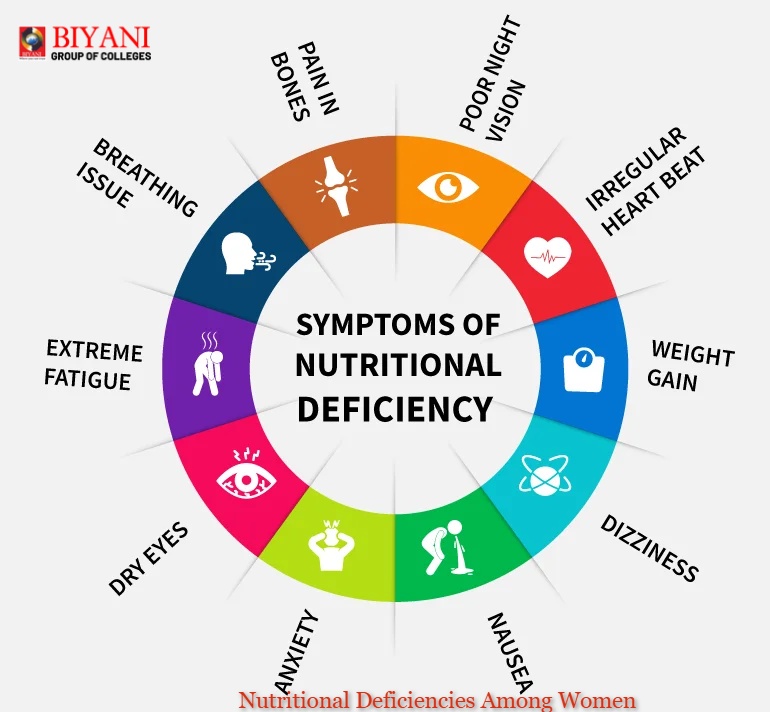
Common Nutritional Deficiencies in Women
Due to insufficient nutrition and increased physiological demands, women are highly vulnerable to deficiencies of specific micro- and macronutrients. Some of the most common deficiencies include:
Iron Deficiency
Iron deficiency is the most common nutritional problem among women, especially during reproductive years. Menstrual blood loss, poor dietary intake, and increased needs during pregnancy are major causes.
Dietary sources: Spinach, beetroot, dates, jaggery, lentils, chickpeas, red meat, eggs.
Tip: Consume iron-rich foods with vitamin C sources like lemon or amla to enhance absorption.
Calcium and Vitamin D Deficiency
Calcium and vitamin D deficiencies increase the risk of osteoporosis and fractures, making them crucial for bone health. Adolescents and elderly women are particularly vulnerable.
Dietary sources: Milk, curd, cheese, ragi, sesame seeds, almonds, green leafy vegetables; egg yolk, fish, fortified milk.
Tip: Get 15–20 minutes of sunlight exposure daily.
Folate (Vitamin B9) Deficiency
Folate is essential for cell division and foetal development. Deficiency can cause anemia and increase the risk of neural tube defects during pregnancy.
Dietary sources: Spinach, broccoli, beans, peas, oranges, peanuts.
Vitamin B12 Deficiency
Women following a predominantly vegetarian diet often suffer from vitamin B12 deficiency, leading to fatigue, anemia, and neurological problems.
Dietary sources: Milk, curd, cheese, eggs, fish.
Iodine Deficiency
Iodine deficiency can lead to thyroid dysfunction, metabolic problems, hormonal imbalance, and pregnancy complications.
Dietary sources: Iodized salt, seafood, dairy products.
Causes of Nutritional Deficiencies in Women
Nutritional deficiencies in women arise due to a complex interaction of biological, social, and lifestyle factors.
Increased Physiological Demands
Life stages such as adolescence, menstruation, pregnancy, and lactation increase nutritional requirements. Deficiencies occur when these needs are not met through diet or supplementation.
Food Choices and Eating Habits
Skipping meals, consuming nutrient-poor or highly processed foods, and following restrictive diets reduce nutrient intake. Cultural food practices may also limit dietary diversity.
Socio-economic Factors
Poverty, food insecurity, and lack of education restrict access to nutritious food. In many households, women prioritize family members’ needs over their own.
Lack of Knowledge
Many women remain unaware of their nutritional requirements and the long-term consequences of deficiencies. Symptoms like fatigue or hair loss are often ignored.
Health and Digestive Issues
Medical conditions such as hormonal imbalances or digestive disorders can interfere with nutrient absorption, increasing deficiency risk.
Consequences of Nutritional Deficiencies
The effects of poor nutrition extend beyond tiredness and weakness and can significantly impact long-term health.
- Anemia and chronic fatigue: Reduced energy levels, concentration, and work capacity.
- Poor bone health: Increased risk of osteoporosis and fractures.
- Impact on pregnancy: Low birth weight, preterm delivery, developmental issues, and higher maternal risk.
- Weakened immunity: Greater susceptibility to infections and chronic diseases.
- Mental health effects: Mood swings, anxiety, and depression linked to iron and B-vitamin deficiencies.
Importance of Awareness and Early Intervention
Raising awareness and promoting early intervention are essential to prevent nutritional deficiencies. Regular health checkups, nutritional assessments, and education can identify deficiencies before they become severe.
Women should be encouraged to recognize early symptoms and seek medical advice rather than dismissing them as normal stress. Community education programs, workplace health initiatives, and inclusion of nutrition education in academic curricula play a crucial role in prevention.
Strategies for Prevention and Management
- Balanced diet: Include a variety of vegetables, fruits, whole grains, legumes, dairy products, and protein-rich foods.
- Supplementation when needed: Iron, calcium, vitamin D, and folic acid supplements may be recommended during high-risk periods.
- Regular health checkups: Blood tests and professional guidance help in early diagnosis and treatment.
- Nutrition education: Empowering women with knowledge enables informed dietary choices and long-term health benefits.
Conclusion
Nutritional deficiencies in women are a silent yet significant global health concern. These deficiencies often develop gradually, with early warning signs appearing long before serious complications arise.
By recognizing these signs, making informed dietary choices, and prioritizing routine health checkups, women can greatly improve their overall well-being. Since women play a vital role in families and society, prioritizing their own health is essential. Good health is true wealth, and nurturing women’s nutrition contributes to stronger families and healthier communities.
Blog By:
Ms. Khushboo Choudhary
Assistant Professor, Department of Science
Biyani Girls College