
Often referred to as the mother of all sciences, geography is much more than the study of maps, mountains, and rivers. It reflects our understanding of how the Earth works—its landscapes, climate, resources, and the relationship between people and their environment. In today’s world, where rapid globalization, technological change, and environmental challenges are reshaping the future, the importance of geography is greater than ever. From climate change and geopolitics to food security and urban planning, geography helps us make informed decisions that impact both local and global communities. Institutions like ba college in Jaipur play a vital role in nurturing this understanding, offering students a strong foundation to explore these global issues with depth and insight
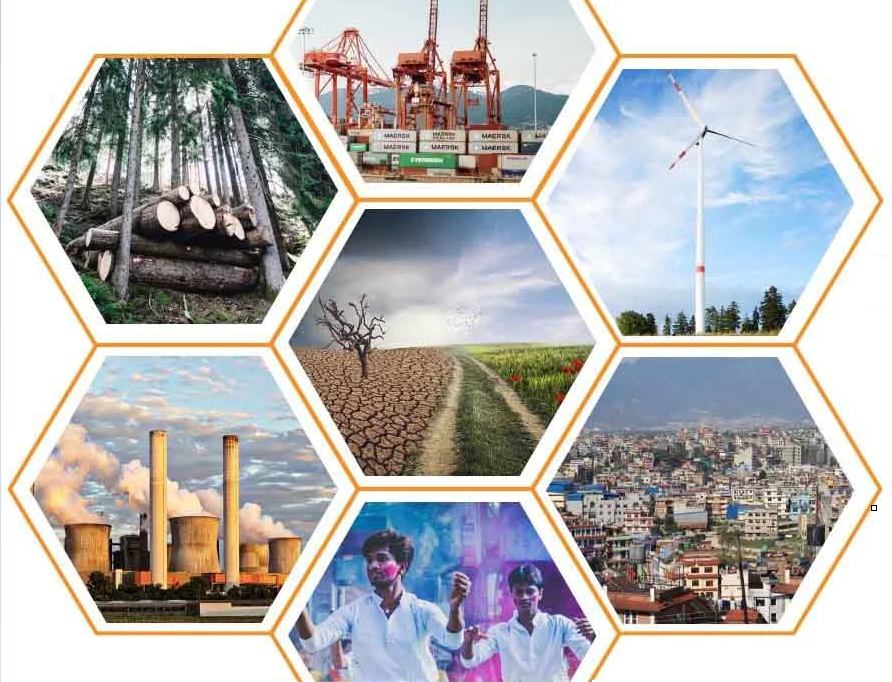
Understanding the Earth’s Physical Processes
One of the core contributions of geography is a description of natural processes on our planet: sea-level rise, glacier melting, uncontrollable weather, and climatic zones on the move. Geography gives insight into why these changes take place and how they affect ecosystems and human populations. For instance, the study of atmospheric circulation explains why heat waves and cyclones are on the rise. Similarly, knowledge of geomorphology helps in the understanding of soil erosion, river meandering, earthquakes, and volcanic activity. In the era of increasing uncertainty in natural hazards, geographical knowledge helps to a great degree in predicting hazards and mitigating associated risks.Climate Change and Environmental Awareness
Climate change presently is the most important global challenge for the 21st century. Geography thus lays the scientific foundation for analyzing climate patterns, greenhouse gas emissions, biodiversity loss, and land-use changes. One of the major branches of modern geographical study, environmental geography deals with the effect of human activities on the natural world and works out methods of promoting sustainable living. Nowadays, governments and organizations depend upon geographers to do climate modeling, environmental assessments, carbon footprint analysis, and disaster mitigation planning.
Geopolitics and International Relations
At the heart of world politics, there is geography; borders, resources, trade routes, and strategic landscapes shape diplomatic relations, economic alliances, and conflicts. Indeed, modern geopolitics—whether with regard to a dispute in the South China Sea, the conflict between Russia and Ukraine, the claims of Arctic territories, or with regard to the dynamics along borders involving India and China—are heavily based on geographical factors. Geographical knowledge helps policymakers, strategists, and citizens interpret events around the world with ease. It explains why nations fight over the control of oceans, why deserts serve as natural barriers, and why mountain passes become of strategic importance in times of war. In an interdependent world economy, geographical literacy can help a nation ensure energy resources, sustain food security, and create robust networks of trade.Globalization, Trade and Economic Development
The world today is interlinked through networks of trade, technology, and transport. Geography explains the spatial distribution of industries, resources, markets, and labour. Naturally, this advantageous location makes them centers of global trade. Industrial regions develop in relationship to resource availability and transportation networks. Global supply chains are based on the relative location of countries.Urbanization and Smart City Planning
With the world becoming increasingly urban, geographical knowledge has become a fundamental input for planning sustainable cities. Urban geography examines the growth of cities, land use patterns, transportation systems, housing, air quality, and public services. Some of the modern challenges such as traffic congestion, waste management, water scarcity, and pollution require geographical solutions. Smart cities in India, such as Jaipur, Pune, and Surat, use GIS to map roads, monitor and track traffic, track public services, and plan new infrastructure. Geography is crucial for urban planners in the design of inclusive, energy-efficient, and resilient cities to improve the lives of millions of people.📚 Read Also:
- An Overview of Ocean Bottom Topography
- Fast fashion and it’s consequences
- Assertiveness-A Skill Every Student Should Learn
Agriculture, Food Security, and Resource Management
Agriculture remains the backbone of most economies, especially for developing countries. Using geography helps to understand the type of soil, climatic conditions, cropping patterns, and agricultural productivity. With population increase and environmental degradation in the present-day world, food security is an issue that has been discovered.Technology,GIS, and Remote Sensing
Technological innovations have turned the discipline of geography from a wholly descriptive subject to a highly analytical discipline. Different tools, such as GIS, GPS, drones, and satellite imagery, provide current data about the Earth’s surface. It finds application in government, research institutions, and industries that analyze spatial patterns for decision-making.Travel, Tourism and Cultural Understanding
The contribution of geography to the enrichment of human experience from different cultures, diverse landscapes, and varied societies is immense. The tourism sector draws repeatedly on geographical insights in the marketing of locations, organizing journeys, and conserving natural and cultural heritage sites. The geographical uniqueness of the Himalayas, Sahara Desert, Amazon rainforest, or European Alps contributes to global awareness and, ultimately, gratitude for the beauty this world has. This fosters respect for cultures, traditions, and different ways of life.Disaster Preparedness and Risk Reduction
Natural disasters such as earthquakes, floods, cyclones, droughts, and landslides are rising due to growing climate change and unplanned development. Geography offers the means of mapping hazard-prone zones, assessing vulnerabilities, and strategizing emergency responses. Geographers develop early warning systems that save millions of lives with their work in governments around the world.Frequently Asked Questions (FAQs)
-
Why is geography known as the "mother of all sciences"?
The reason behind calling geography as the "mother of all sciences" is that it encompasses all kinds of scientific knowledge including environmental science, geology, economy, sociology and others. The study of geography enables us to gain knowledge about the functioning of our planet as well as human-environment interaction. -
How can Geography address climate change problems?
Geography helps in solving climate change problems by studying the geographical pattern of climate along with the emission of greenhouse gases into the environment. Furthermore, the field helps in disaster management and creating climate models, which assist in dealing with climate change issues. -
Explain the contribution of geography in urban development and smart cities.
Geography is an essential aspect of urban development through which urban planners get knowledge about land use patterns, demography, traffic management, and resource allocation among other factors. Moreover, it assists in GIS application and developing smart cities. -
How is geography important in global decision-making?
Geography studies global issues, such as geopolitics, international trade, food security, and resource distribution patterns. It assists policymakers in making critical decisions regarding these matters.
Conclusion
Today, geography is more than an academic subject; it is an instrument and skill with which to analytically understand the present and shape the future. From climate change analyses and the planning of sustainable cities, resource management, and geopolitics, each aspect of global development has a geographic dimension. In a rapidly connected yet vulnerable world facing environmental hazards, geographical literacy is a prime necessity for informed decision-making. It teaches us not just where things are but also why they are there and how they are related. This is absolutely essential, in a rapidly changing world, for constructing a secure, peaceful, and prosperous future for everybody.
Blog By:
Ms. Shaifali Vijay
Assistant Professor,
Department of Social Sciences
Biyani Girls College,Jaipur